
Continue

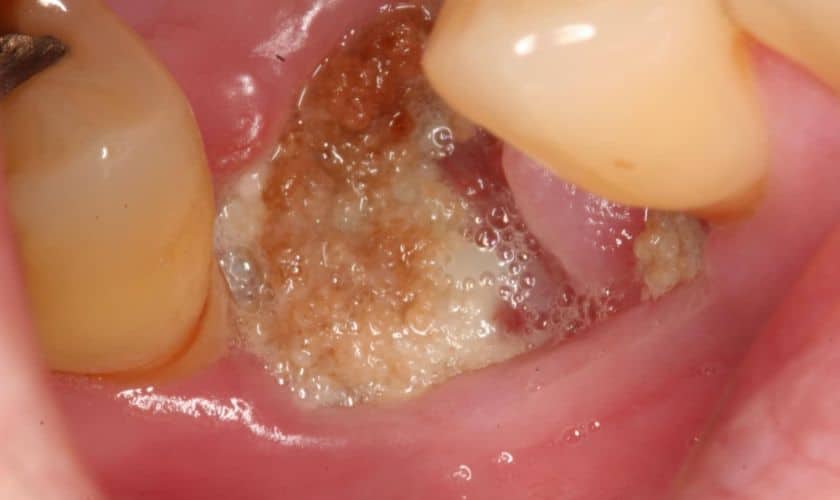
Tooth extraction is a common dental procedure that involves the removal of a tooth from its socket in the jawbone. While the procedure is generally safe and straightforward, there is a risk of infection after the extraction. It is important to be aware of the signs and symptoms of infection after tooth extraction so that it can be treated promptly.
The most common signs and symptoms of infection after tooth extraction include pain, swelling, redness, and discharge. Other symptoms may include fever, bad breath, and a foul taste in the mouth.
Pain is one of the most common signs of infection after tooth extraction. The pain may be localized to the area of the extraction or may be more widespread. It may be a dull ache or a sharp, throbbing pain. Pain may be worse when the area is touched or when the person is chewing.
Swelling is another common sign of infection after tooth extraction. The area around the extraction site may be swollen and tender to the touch. The swelling may be accompanied by redness and warmth.
Redness is another sign of infection after tooth extraction. The area around the extraction site may be red and inflamed. The redness may be accompanied by swelling and warmth.
Discharge is another sign of infection after tooth extraction. The area around the extraction site may be draining pus or other fluids. The discharge may be clear, yellow, or green in color.
Fever is another sign of infection after tooth extraction. A person may have a fever if they have an infection. The fever may be accompanied by other symptoms such as chills, body aches, and fatigue.
Bad breath is another sign of infection after tooth extraction. The area around the extraction site may have a foul odor. The bad breath may be accompanied by a foul taste in the mouth.
The treatment for infection after tooth extraction depends on the severity of the infection. Mild infections may be treated with antibiotics and pain medications. More severe infections may require surgical drainage or a root canal procedure.
Antibiotics are the most common treatment for infection after tooth extraction. Antibiotics can help to reduce the inflammation and pain associated with the infection. They can also help to prevent the infection from spreading to other parts of the body.
Pain medications can help to reduce the pain associated with infection after tooth extraction. Over-the-counter pain medications such as ibuprofen and acetaminophen can help to reduce the pain and swelling. Prescription pain medications may also be used if the pain is more severe.
Surgical drainage may be necessary for more severe infections after tooth extraction. During this procedure, a surgeon will make an incision in the area of the infection and drain the pus and other fluids. This can help to reduce the pain and swelling associated with the infection.
A root canal procedure may be necessary for more severe infections after tooth extraction. During this procedure, the infected tooth is removed and the root canal is cleaned and sealed. This can help to prevent the infection from spreading to other parts of the body.
In conclusion, it is important to be aware of the signs and symptoms of infection after tooth extraction. The most common signs and symptoms include pain, swelling, redness, and discharge. Treatment for infection after tooth extraction depends on the severity of the infection and may include antibiotics, pain medications, surgical drainage, or a root canal procedure.
By Lumos Dental - New Haven
February 23, 2023