
Continue
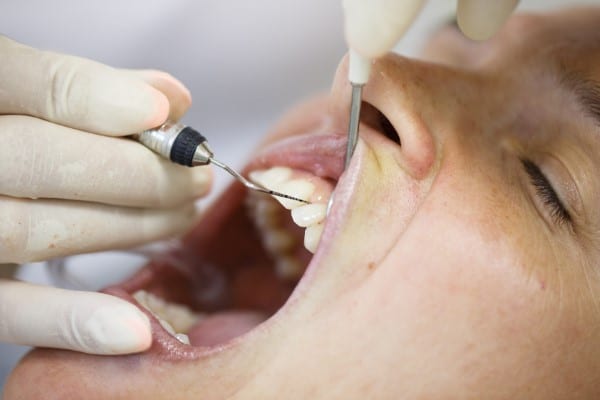
Gums (gingivae) play a crucial part in good oral health. Their dense tissue seals our teeth, protects the soft tissues underneath, and covers the roots. Gingivae are firmly attached to the jawbone and tightly cover each tooth up to the neck.
The mouth is a complex ecosystem of bacteria; it’s called the oral microbiome. When the bacteria are in balance, gums are protected from the kinds of bacteria that cause oral disorders. If that equilibrium becomes upset, pathogens can invade the gum line, cause inflammation, and promote periodontal disease.
Receding gums, also known as gum recession, is a common dental problem that occurs when the gum tissue pulls away from the teeth, exposing the root. This can lead to a host of issues, including tooth sensitivity, bad breath, and even tooth loss. Understanding the signs, causes, and treatments for receding gums is crucial for maintaining optimal oral health.
The treatment for receding gums depends on the severity of the condition. Some common approaches include:
Preventing gum recession involves a combination of good oral hygiene practices, regular dental checkups, and a healthy lifestyle. By taking care of your teeth and gums, you can significantly reduce your risk of developing this condition.
If you notice any signs of receding gums, it’s essential to consult with a dentist. Early detection and treatment can help prevent further damage and preserve your oral health.
There are options for those who need professional treatment. Your dentist will explain the details of each possibility.
We at the office of Lumos Dental eagerly welcome all of our patients so we can help them achieve their dental goals. Whether it be a routine cleaning or a complex procedure, know that you’ll be in excellent hands. Contact us today!
By Lumos Dental - New Haven
July 08, 2024