
Continue

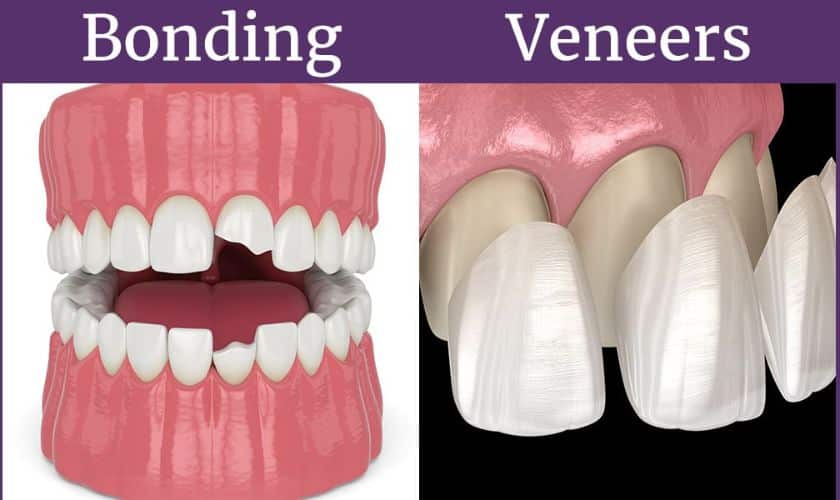
Are you looking to improve the appearance of your teeth? Then dental veneers and dental bonding may be right for you. While both are effective treatments, they are not the same and it is important to understand how they differ before deciding which option is best. This article will provide an overview of what each treatment involves, the advantages and disadvantages of each, and how to decide between veneers and bonding.
Dental veneers are thin shells that are custom-made to fit over the front surface of teeth. They are usually made from porcelain or composite resin and can be used to cover up discoloration, chips and other cosmetic imperfections. They are also an effective way to improve the shape and size of teeth.
Veneers can provide a dramatic improvement in your smile in as little as one or two visits to the dentist. They are highly durable and stain-resistant, so they can last for many years with proper care. Additionally, they can be matched to the color of your existing teeth and look completely natural.
The main disadvantage of veneers is that they are expensive and typically not covered by dental insurance. Also, since they require the removal of some enamel from your teeth, they are not reversible.
Veneers are best suited for people with healthy gums and strong teeth who want to make a dramatic change in their smile. If you have minor discoloration or chips, you may be able to get away with dental bonding instead.
Dental bonding is a procedure that involves the application of a special material (composite resin) to the surface of your teeth. The material is shaped and polished to match the surrounding teeth for a natural-looking result.
Dental bonding is cheaper than veneers and can usually be done in just one visit to the dentist. It also does not require any enamel to be removed from your teeth, so it is reversible if you decide you don’t like the results. Additionally, it can be used to cover minor chips and discolorations, as well as gaps between teeth.
One major downside of dental bonding is that the material used is not as strong or durable as veneers and may need to be repaired or replaced after a few years. Additionally, it is not as stain-resistant and can become discolored over time.
Dental bonding is a great option for people with minor cosmetic issues who want to improve their smile without spending too much money. It is also a good choice if you are looking for a quick and painless procedure.
When deciding between veneers and bonding, it is important to consider both the pros and cons of each option. Generally, if you have healthy gums, strong teeth and are looking for a dramatic improvement in your smile, veneers may be the better option. On the other hand, bonding is a good choice for minor cosmetic issues or if you are on a budget.
Dental veneers and dental bonding can both be effective treatments to improve the appearance of teeth. However, it is important to understand how they differ before deciding which option is best for you. Veneers are a more expensive and permanent procedure, while bonding is cheaper and reversible. By considering your budget, desired results and dental health, you can make an informed decision about which treatment will be right for you.
By Lumos Dental - New Haven
January 09, 2023