
Continue
Are you ready to unlock the secrets to a healthier and happier you? Look no further than your very own mouth! Yes, that’s right – today we’re diving into the fascinating world of dental health and its impact on your overall wellness. In particular, we’ll be shedding light on those elusive wisdom teeth. Join us as we uncover why removing these pesky molars can not only make your smile brighter but also elevate your physical and mental well-being. Get ready for some mind-blowing insights that will leave you grinning from ear to ear – quite literally!
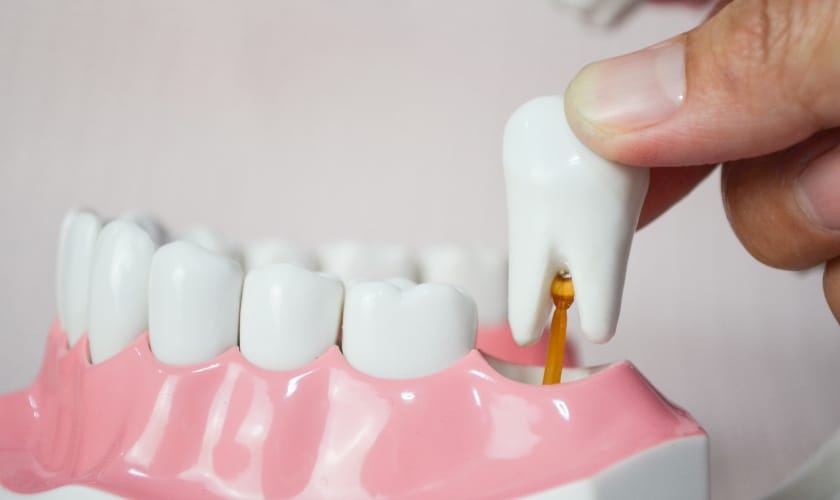
A wisdom tooth extraction (commonly known as a root canal) is a surgery performed to remove one or more teeth, either all the teeth in a row or just one or several teeth in a particular area. A wisdom tooth may become impacted due to its location in the jawbone, which causes it to become difficult to eat and drink. Pain and swelling can also be associated with an impacted wisdom tooth. Wisdom teeth are typically removed between the ages of 25 and 44, but can also be removed at any age if they pose a medical or dental concern. Removal of an impacted wisdom tooth typically requires anesthesia, as well as local anesthetic around the affected tooth. If the impacted wisdom tooth is severe or not amenable to conservative treatment such as antibiotics, then it may require removal with a general anesthetic or without anesthesia.
Wisdom teeth are those extra teeth that develop on either side of the baby’s upper front teeth in the second and third years of life. They can become problematic if left untreated because they can crowd other teeth, cause decay, or even become impacted (stuck in the gum tissue).
There are many benefits to wisdom tooth extraction, including:
• Reduced risk of dental problems: Wisdom teeth often cause problems when they come in too close to other teeth or when they get impacted. Extraction removes these potential problems and can help reduce your risk of developing dental problems in the future.
• Reduced jawbone compression: When wisdom teeth come in too close to each other or are impacted, they can put pressure on the underlying jawbone and surrounding tissues. This can lead to pain and difficulty chewing. By removing wisdom teeth, you may relieve some of this pressure and improve your overall bite function.
• Improved oral health: Removal of wisdom teeth often results in better oral hygiene because there is less opportunity for plaque and tartar accumulation. Additionally, extraction can remove any remaining baby teeth so that you are more likely to have healthy Gingiva (gums) throughout your entire lifetime.
If you are considering having wisdom tooth removal surgery, be sure to speak with your dentist about all of your options. There is no one-size-fits-all approach to this procedure, so what might be best for one person may not be best for another person.
There are several risks associated with wisdom teeth extraction. If the extraction is done incorrectly, it can result in pain, infection, and even damage to your jawbone. Additionally, if you have any other oral health issues, such as diabetes or gum disease, removing your wisdom teeth might make them worse. There’s always the potential for tooth implant failure if Wisdom Teeth Removal is performed after age 40.
If you’re considering wisdom tooth removal, it’s important to talk to your doctor about all of the risks and benefits involved. You may also want to consider seeking out a second opinion before making any decisions.
Wisdom teeth are the last dentition to grow in and can become troublesome over time if not properly removed. Wisdom tooth extraction is the most common dental procedure performed, and usually the last option when other treatments aren’t effective.
Your dentist will need to perform a thorough exam of your mouth and determine which teeth are impacted. Impacted teeth are those that have begun to grow into adjacent teeth or those that touch in front or behind (anterior) of the tooth they’re growing from. Impacted wisdom teeth can cause overcrowding, pain, and difficulty chewing or swallowing.
If your wisdom teeth are impacted, your dentist may recommend removing them as an early intervention. If left untreated, impacted wisdom teeth can cause serious oral health problems such as rotations of decay on adjacent teeth or even jawbone growth. Other potential consequences of failing to remove an impacted wisdom tooth include deep gum pockets (fossa), crooked smiles, and functional problems such as difficulty speaking clearly or eating normally because of unequal temporomandibular joint (TMJ) movement.
Maintaining good dental hygiene is important for our general health, but it’s also essential for our oral health. Our teeth and gums are constantly under siege from environmental stressors like pollution, acidosis, and fungus, all of which can damage the enamel on our teeth. By removing one or more wisdom teeth, we can reduce the amount of damage that these factors can cause. There are a few things to keep in mind before you make the decision to have your wisdom teeth removed: know your risks, get as much information as you can about the surgery and Post-Operative Care (POC), and consult with an experienced dentist. Thank you for taking the time to read this article—we hope it has helped you improve your overall dental health!
By Lumos Dental - New Haven
July 20, 2023