
Continue

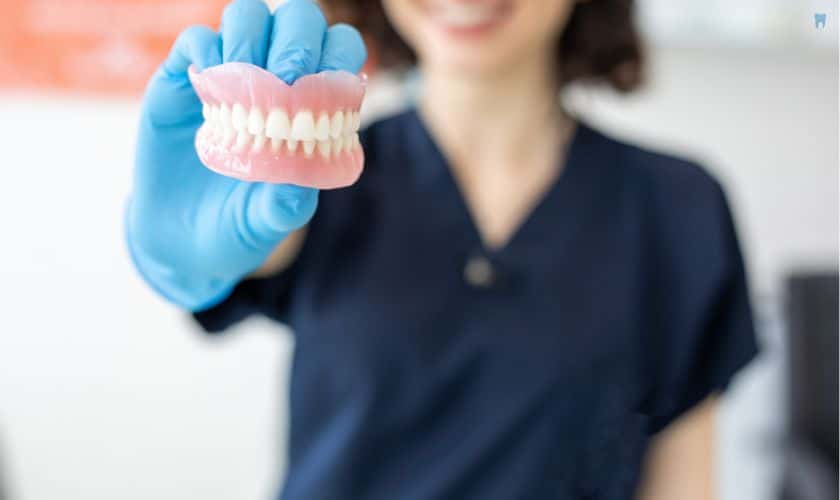
Adjusting to new dentures can be a process that requires patience and perseverance. Whether you’re transitioning from missing teeth or upgrading your current dental prosthetics, learning how to get comfortable with new dentures is essential for a smooth experience. In this blog, we’ll explore some helpful tips and advice to make the adjustment period more manageable.
Before diving into specific tips, it’s important to understand that getting comfortable with new dentures is a gradual process. Your mouth needs time to adapt to the presence of the dentures, and your dentures may also need some adjustments to fit properly. It’s normal to experience some discomfort or awkwardness initially, but with time and practice, most people find that their dentures become more comfortable to wear.
First and foremost, follow the instructions provided by your dentist or prosthodontist. They will guide you through the initial fitting process and provide valuable advice on caring for your dentures. It’s essential to attend all follow-up appointments scheduled by your dentist to ensure that any necessary adjustments are made promptly.
When you first receive your new dentures, start by wearing them for short periods, gradually increasing the time as you become more accustomed to them. This approach allows your mouth to adapt gradually and minimizes discomfort. Initially, you may find it helpful to remove your dentures for short breaks throughout the day to give your mouth a rest.
Speaking with dentures may feel different at first, and you may notice changes in your speech patterns. To improve your speaking confidence, practice reading aloud or repeating difficult words and phrases. Speaking slowly and enunciating clearly can help your mouth adjust to the new dentures and improve your speech over time.
Eating with new dentures can be challenging initially, so it’s best to start with soft foods that are easy to chew. Cut food into small pieces and chew slowly and evenly on both sides of your mouth. Avoid sticky or hard foods that may dislodge your dentures or cause discomfort. As you become more comfortable with your dentures, gradually reintroduce a wider variety of foods into your diet.
Denture adhesive can help improve the stability and comfort of your dentures, especially during the initial adjustment period. Apply a small amount of denture adhesive according to the manufacturer’s instructions to help hold your dentures in place. However, avoid using excessive amounts of adhesive, as this can interfere with the fit of your dentures.
Proper oral hygiene is essential for maintaining the health of your mouth and the longevity of your dentures. Clean your dentures daily with a soft-bristled brush and non-abrasive denture cleaner or mild soap. Brush your gums, tongue, and palate with a soft toothbrush to remove plaque and stimulate circulation. Remove your dentures at night to give your mouth a chance to rest and recover.
If you experience persistent discomfort or sore spots while wearing your dentures, don’t hesitate to contact your dentist for adjustments. Even minor adjustments can make a significant difference in your comfort level. Avoid trying to adjust your dentures yourself, as this can lead to further problems and damage.
Above all, remember to be patient and positive as you adjust to your new dentures. It’s normal to experience some challenges and setbacks along the way, but with time and perseverance, most people find that their discomfort diminishes, and their confidence with dentures improves.
Adjusting to new dentures can take time, but with patience, practice, and proper care, you can get comfortable with your new dental prosthetics. Follow your dentist’s instructions, start slowly, and be proactive about addressing any discomfort or issues that arise. With time and persistence, you’ll soon enjoy the benefits of a confident smile and improved oral function.
By Lumos Dental - New Haven
May 27, 2024