
Continue
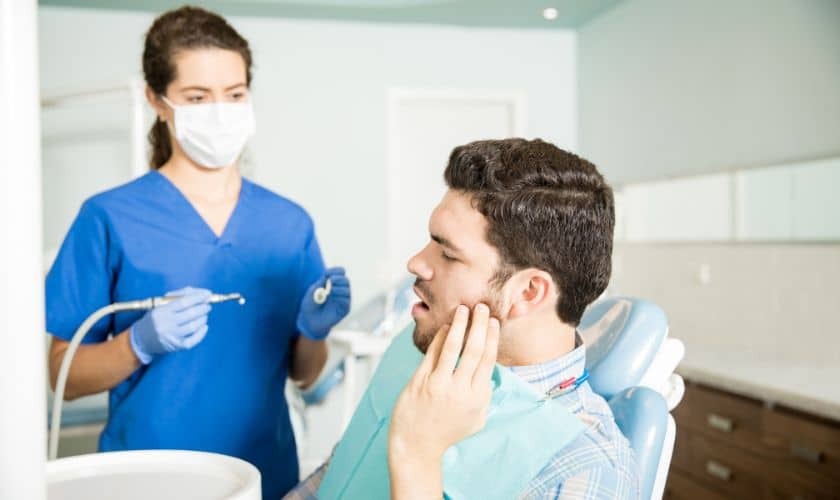
Welcome to our blog about dental emergencies! Did you know that a dental emergency can happen at any time? Whether it’s a toothache, chipped tooth, loose tooth, or bleeding gums, these situations can be painful and scary. Knowing how to deal with them quickly and effectively can make all the difference in preventing further damage and getting the necessary treatment. In this article, we’ll provide tips on how to manage common dental emergencies so that you can be prepared for anything. So let’s dive right in!
Toothaches can be extremely painful and disruptive to your daily routine. If you experience a toothache, the first thing you should do is rinse your mouth with warm water. This will help remove any debris or food particles that may be stuck between your teeth.
If the pain persists, try taking an over-the-counter pain reliever like ibuprofen to help alleviate discomfort. You can also apply a cold compress to the outside of your cheek near the affected area for 20 minutes at a time.
Avoid eating or drinking anything too hot or cold as this can exacerbate the pain. Instead, stick to room-temperature foods and drinks until you are able to see a dentist.
It’s important not to ignore a toothache as it could indicate an underlying issue such as tooth decay or infection. Make sure to schedule an appointment with your dentist as soon as possible if the pain persists beyond a few days. They will be able to assess and diagnose any potential dental problems and provide appropriate treatment options.
Experiencing a chipped tooth can be painful and distressing, but there are steps you can take to minimize the damage and alleviate discomfort.
Firstly, rinse your mouth with warm salt water to clean the affected area and prevent infection. If there is bleeding, apply pressure using a piece of gauze or cloth until it stops.
If the chip is minor, you may not need immediate dental attention. However, if it’s causing significant pain or exposing nerves in your teeth, it’s important to see a dentist as soon as possible.
In the meantime, avoid eating hard foods that could further damage your tooth. Stick to soft foods and chew on the other side of your mouth.
If you’re experiencing pain or swelling around the area of the chip, over-the-counter pain medication such as ibuprofen can help manage symptoms. Applying an ice pack for 10-15 minutes at a time can also help reduce any swelling.
Remember that even small chips in teeth should be evaluated by a professional dentist promptly to ensure proper treatment options are taken into consideration before developing into more severe issues down along with line with oral health hygiene maintenance overall.
A loose tooth can be a distressing experience, but it’s a common dental emergency that can happen to anyone. Whether it’s due to an injury or gum disease, there are several steps you can take to deal with a loose tooth and prevent further damage.
The first thing you should do is avoid touching or wiggling the tooth as this can cause more harm than good. Instead, try gently biting down on a soft cloth or gauze pad to keep the tooth in place. This will help reduce any pain or discomfort while protecting the surrounding teeth.
Next, rinse your mouth with warm salt water to clean out any debris and soothe the gums around the affected area. You may also want to use an ice pack on your cheek near the loose tooth for 15-20 minutes at a time throughout the day to help reduce swelling and relieve pain.
If you’re experiencing significant pain, over-the-counter pain relievers like ibuprofen or acetaminophen can help manage discomfort until you see your dentist.
It’s important not to ignore a loose tooth as it could indicate underlying gum disease or other oral health issues. Be sure to schedule an appointment with your dentist as soon as possible for proper diagnosis and treatment options based on your specific situation.
Bleeding gums can be a sign of several dental problems, including gum disease and poor oral hygiene. If you notice bleeding while brushing or flossing, it’s important to take action immediately.
The first step is to gently rinse your mouth with warm salt water. This will help reduce inflammation and kill bacteria in the affected areas.
Next, make sure to brush and floss regularly to maintain good oral hygiene. It’s also important to use a soft-bristled toothbrush and avoid using too much pressure when brushing.
If you continue to experience bleeding gums despite these measures, it may be necessary to see a dentist for further treatment. They may recommend professional cleaning or other procedures depending on the severity of your condition.
Remember that early intervention is key when dealing with dental emergencies like bleeding gums. Don’t hesitate to seek professional help if you’re experiencing persistent bleeding or other symptoms.
It is important to take dental emergencies seriously, as they can lead to serious complications if left untreated. While some minor dental problems can be treated at home, it is always recommended to see a dentist for any type of emergency.
If you experience severe toothache or pain that lasts longer than a day or two, it’s time to make an appointment with your dentist. This could be indicative of an infection or other underlying problem that requires professional attention.
Similarly, if you have chipped or broken teeth due to injury or accident, it’s best not to wait and assume the damage will heal on its own. A dentist will assess the severity of the damage and provide appropriate treatment options such as bonding, filling or even extraction in extreme cases.
A loose tooth may also require urgent attention from a dentist as this could signify severe gum disease which may result in bone loss and ultimately risk losing your teeth altogether.
Bleeding gums are often dismissed as common but should not be ignored especially when accompanied by swelling and tenderness. These symptoms suggest possible gum disease which requires immediate attention from a dental professional before it worsens into the periodontitis stage where one risks losing their teeth entirely.
In short, while different types of dental emergencies can occur unexpectedly; bleeding gums, loose tooth/tooth loss/chipping/breaking/decay/pain/swelling; knowing when seeing a dentist is crucial in preventing further damage and ensuring proper oral health care.
Dental emergencies can be scary and painful experiences. However, it’s important to stay calm and take the necessary steps to alleviate the pain and prevent further damage until you can see your dentist. Remember, toothaches can be caused by various factors such as cavities or gum disease. Chipped teeth are often a result of trauma or biting down on something hard. Loose teeth may indicate an underlying condition that needs immediate attention while bleeding gums could be a sign of gingivitis or other oral problems.
By following the tips outlined in this article for each type of dental emergency, you’ll have a better chance of relieving pain and discomfort temporarily until professional help arrives.
By Lumos Dental - New Haven
May 05, 2023