
Continue
Are you self-conscious about your smile? Do stains on your teeth prevent you from showing off those pearly whites? Look no further than in-office teeth whitening! This cosmetic dental procedure is a safe and effective way to brighten your smile quickly. In this blog post, we’ll discuss everything you need to know about maximizing your smile potential with in-office teeth whitening. Get ready to say goodbye to stubborn tooth stains and hello to a confident, radiant grin!
In-office teeth whitening is a cosmetic dental procedure that involves the use of professional-grade whitening agents to remove stains and discoloration from your teeth. Unlike at-home teeth whitening kits, in-office treatments are performed by a licensed dentist or dental hygienist and can produce noticeable results after just one session.
During an in-office teeth whitening treatment, the dentist will first examine your mouth to ensure you have no underlying oral health issues that need to be addressed before proceeding with the whitening process. Then, they will apply a protective gel or barrier to your gums and soft tissue surrounding your teeth.
Next, they will apply the professional-grade bleaching agent directly onto your teeth and activate it using either heat or light sources. This allows for deeper penetration of the bleaching agent into tooth enamel, resulting in more effective and longer-lasting results.
In-office teeth whitening is a safe and efficient way to enhance your smile’s appearance without having to rely on over-the-counter products that may not deliver optimal results.
When it comes to teeth whitening, there are different types of systems available that can help you achieve a brighter smile. One popular option is in-office teeth whitening, which involves getting your teeth professionally cleaned and then applying a high-concentration bleaching gel on them.
Another type of system is at-home kits, which come in the form of trays or strips that you wear for a certain amount of time each day. These kits contain lower concentrations of the active ingredient compared to in-office treatments but can still be effective over time.
There are also natural remedies like baking soda and hydrogen peroxide solutions that have been known to whiten teeth. However, these options may not produce results as quickly as other methods and may require more consistent use.
It’s worth noting that not all systems work for everyone and some may experience tooth sensitivity or gum irritation with certain products. It’s important to consult with your dentist before trying any new product or treatment to ensure it’s safe for you.
When deciding on a teeth whitening system, consider factors such as convenience, cost, effectiveness and potential side effects before making your decision.
When you arrive at your in-office teeth whitening session, the first thing your dentist will do is a quick examination of your teeth to ensure they are healthy enough for the treatment. Once cleared, they will proceed with protecting your gums and lips from any potential irritation caused by the whitening solution.
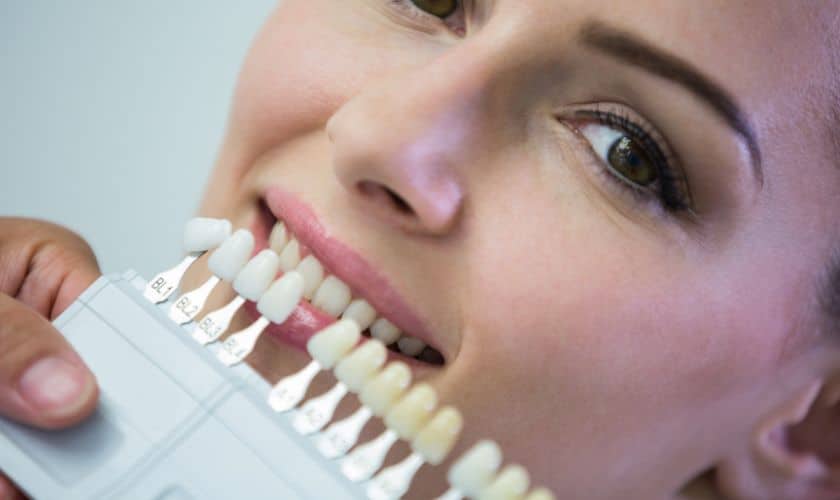
Next, a shade guide may be used to determine the current color of your teeth before starting the procedure. This serves as a benchmark for measuring progress throughout and after treatment.
The actual whitening process involves applying a bleaching agent onto the surface of each tooth which is then activated through heat or light exposure. Depending on what system is being used, this can take anywhere from 30 minutes to an hour.
Throughout the procedure, it’s common to experience some level of sensitivity or discomfort due to increased exposure to dentin (the layer beneath enamel). However, if it becomes too uncomfortable, let your dentist know so that adjustments can be made accordingly.
After completion, you’ll likely see an immediate difference in tooth color followed by continued improvement over time as stains continue to break down. It’s important to follow up with proper oral hygiene habits post-treatment such as regular brushing and flossing along with avoiding foods and drinks that stain teeth.
After undergoing an in-office teeth whitening session, patients can expect to see a noticeable difference in the brightness of their smile. Many individuals experience teeth discoloration due to factors such as aging, poor oral hygiene habits, and certain foods or drinks that stain teeth.
In-office teeth whitening systems are designed to remove these stains from the surface of the enamel and penetrate deep into the tooth structure to lift away embedded discoloration. This process is accomplished using professional-grade bleaching agents that are carefully applied by a dental professional.
The results of an in-office teeth whitening session can vary depending on each patient’s unique needs and goals for treatment. However, most patients can expect their smiles to look several shades brighter immediately after treatment.
It’s important to note that while in-office teeth whitening can produce dramatic results quickly, it may not be suitable for everyone. Individuals with highly sensitive teeth or existing dental restorations may need alternative treatments or modifications made to their current treatment plan.
In-office teeth whitening is an effective way for patients looking to enhance the appearance of their smile quickly and safely under professional supervision.
Looking for ways to whiten your teeth? You’ve probably come across many options, including in-office teeth whitening and at-home kits. While both methods have pros and cons, it’s important to understand the differences between them before deciding which one is right for you.
In-office teeth whitening is a professional treatment done by a dentist or dental hygienist. The process involves applying a high-concentration bleaching gel to your teeth and activating it with a special light. This method usually takes about an hour and can produce dramatic results.
At-home natural teeth whitening kits, on the other hand, typically involve using lower concentration gels applied using custom-made trays or strips that adhere directly to the teeth. These kits are designed for use over several weeks at home.
One of the biggest advantages of in-office treatments is their speed – they can provide quick results after just one appointment with your dentist. At-home kits take longer to show results but offer flexibility as you can do them in the comfort of your own home.
However, there are some downsides to consider: In-office treatments may cause tooth sensitivity due to higher concentrations of bleach used during treatment while At-home kits require more time commitment from users than In-Office Treatments.
Ultimately, whichever option you choose depends on what works best for you based on factors such as budget, time constraints or personal preferences
To conclude, in-office teeth whitening is a safe and effective option for anyone looking to achieve a brighter smile. With the help of your dentist, you can maximize your smile potential through this quick and easy procedure.
While at-home kits may seem like a more convenient option, they often lack the strength and efficacy of professional-grade systems used by dentists. Additionally, having an experienced dental professional oversee your treatment ensures optimal results while minimizing any potential risks or discomfort.
By Lumos Dental - New Haven
April 20, 2023